
Documentary video production cost is usually the first serious question, and it should be. Before style, before edit tricks, before camera talk, you need to know what spend is realistic for the result you want.
The problem is that most cost pages are either too vague to be useful, or too generic to match real projects. You get broad ranges with no explanation, then a quote lands that feels disconnected from what you expected. This page is here to make that clearer. We’ll show what documentary video production cost typically looks like in the UK, what pushes the number up or down, and how to scope it so you are paying for useful work, not fluff.
If you are still deciding format first, start with our documentary production overview.
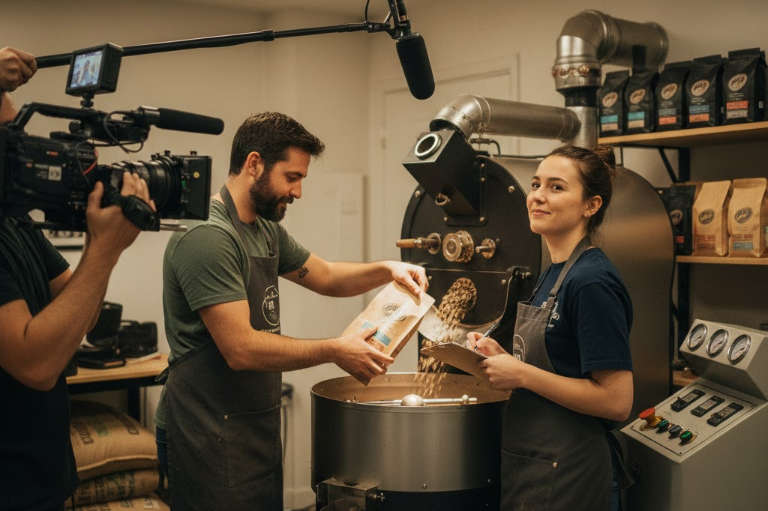
Documentary Video Production Cost, Typical UK Ranges And What They Mean
If you run a small business, your real question is usually, “Can I get something good without spending a fortune?” In many cases, yes. A lean starter project can sit around £750 to £1,000 when the scope is tight, one location, short filming window, one clear message, and a couple of edits. Around £1,000 to £1,500 usually gives more coverage, better cutdowns, and more polish. Budgets above that are normally for bigger jobs, multiple filming days, or more involved delivery.
For local small businesses that want a straightforward fixed package, our Small Business Starter Package is £1,000 for up to 3 minutes of finished video. The ranges on this page are broader project guides, while that package is a fixed local offer with clear scope.
We keep pricing straightforward and we stick to agreed scope, we don’t pad quotes with surprise extras halfway through. If you ask for extra filming days or major new deliverables, we’ll flag that clearly before anything changes
For context, larger organisations often spend significantly more, usually because they involve more locations, more stakeholders, and longer approval cycles. Our focus for small businesses is different, keep it lean, keep quality high, and spend where it actually makes a commercial difference
The key is matching scope to what you actually need right now. For a lot of small businesses, one strong film that proves how you work is enough to start. You can always add another version later. That phased approach is usually better than trying to do everything in one go and blowing the budget.
Any quote should be explainable in plain English. If someone cannot tell you clearly what you are paying for, planning, filming time, edit time, and outputs, you are likely to hit confusion later as well.
Working With Small Businesses, Keeping Cost Down Without Dropping Quality
We work with small businesses all the time, so we plan for practical reality, limited internal bandwidth, tight timelines, and no appetite for “agency theatre”. The aim is simple, keep production quality high, keep the process calm, and keep spend focused on what actually helps people trust you and contact you.
That usually means making smart scope decisions early. For example, one clear story thread often outperforms a crowded brief. One well planned filming day can outperform two loosely planned days. One strong main film plus a couple of smart cutdowns can outperform a long list of assets nobody uses. Documentary video production cost usually comes down when focus goes up.
It also means reducing hidden waste. We plan around your working day, so you are not constantly pulled off the job. We keep feedback rounds clear, so you are not trapped in endless opinion loops. We deliver what you will actually use, not extras that look good in a proposal and then sit unused.
If your business needs proof based messaging around one outcome, case study video production may be the leanest route. If you need a process led trust film, behind the scenes video production is often a strong option.
What Actually Moves Documentary Video Production Cost
The biggest drivers are not usually equipment. They are planning, access, how many final versions you need, and feedback rounds. These are the places where budget either stays under control or drifts. Good documentary production pricing should be clear up front. For many service businesses, behind the scenes video production cost can be one of the leaner options, while case study video production cost is often efficient when one customer outcome is the core story.
- Filming time and logistics, number of days, locations, travel, permissions, and access windows.
- Story complexity, one clear narrative is usually more efficient than a broad “cover everything” brief.
- Interview setup, interviews, safeguarding requirements, and sensitive settings all affect pace.
- Editing scope, edit depth, versions, subtitles, social outputs, and turnaround expectations.
- Decision process, one clear decision maker keeps budget stable, too many conflicting edits usually increase cost.
When someone asks for documentary filming day rate UK figures, that can be useful context, but day rates alone do not tell you total cost. Two projects with the same day rate can still land very different final budgets depending on planning and editing time.
Three Real World Budget Shapes
A small local business, maybe a owner plus two staff, usually just needs a simple film that shows how they work and why customers trust them. Not a grand brand film. One focused shoot, one clear edit, and a couple of short clips is often enough to help people choose them, and for small businesses documentary video cost stays manageable when scope stays tight.
A small charity, often stretched and time poor, might need one fundraising cut and one calmer version for partners or trustees. The footage can be shared, but the message has to be handled carefully. That is why charity documentary video cost can sit in the middle range sometimes, not because the shoot is massive, but because care and clarity matter.
A growing business with a few moving parts might need a broader film, service delivery, customer outcomes, and a bit of team culture. That means a bit more planning and edit time. Corporate documentary cost is usually higher when there are more locations and longer approval loops. Even then, cost is mostly about hours and complexity, not flashy extras.
If your story naturally splits into chapters, mini documentary series can be more cost effective than forcing one long film to do every job.
How To Get A Documentary Video Production Quote That Is Actually Useful
You do not need a polished brief. You just need a few basics so the quote matches what you actually need.
- What outcome the film needs to create, trust, enquiries, recruitment, fundraising, stakeholder confidence.
- Who the audience is and where they will watch, website, social, campaign pages, internal channels.
- What access is realistic, locations, timings, sensitive environments, and access limits.
- What outputs are genuinely needed now, and what can be staged later if budget needs phasing.
- Who signs off, so review rounds stay clear and the edit process does not stall.
When this is clear, documentary video production cost stops being a guessing game. You can compare options, trim what is not needed, and protect quality where it matters.
Where Documentary Video Budgets Usually Go Off Track
The most common issue is not “production is expensive”, it is unclear decision making. Teams often start with one idea, then add audiences, add messages, add deliverables, and add reviewers without resetting scope. The film gets heavier while the budget expectation stays the same. That creates pressure, rushed choices, and weaker outcomes.
The second issue is trying to solve every objective in one piece. If one film has to be a homepage trust asset, a recruitment film, a stakeholder report, and a social campaign anchor, quality usually suffers. A tighter plan, one master purpose with supporting cutdowns, normally gives better performance and better value.
The third issue is underweighting pre production. Planning can look like admin, but it is where cost control happens. Good planning protects filming efficiency, reduces edit waste, and keeps documentary video production cost tied to outcome rather than last minute fixes.
FAQs for documentary video production cost
The biggest jumps usually come from extra filming days, too many edit versions, and unclear feedback. The safest way to control cost is one clear goal, one decision maker, and a tight filming plan. Most overspend comes from scope drift, not camera gear.
Start with one focused film built around one clear job, for example trust on your homepage or one key service page. Keep filming to a tight window, then get one main edit plus one or two short cutdowns. That gives you useful assets without overcommitting budget.
Quality on a small budget comes from clear planning, good audio, and tight editing. You do not need a huge crew. You need the right shots, clean sound, and a story that is easy to follow. Clarity beats complexity every time.
A clear quote should include planning, filming time, editing, and agreed delivery files. It should also say how many revision rounds are included. If anything is optional, it should be listed separately so you can choose it, not get surprised by it later.
Set the goal before editing starts, then stick to it. Agree one person for final sign-off and one clear revision process. Most budget creep happens when new ideas are added late without removing anything else.
Often yes, if the plan is tight. One day can produce a strong main film and short cutdowns when the story is focused, access is organised, and filming priorities are clear before the day starts.